


Dinosaur games for toddlers
3.8954.00 Reviews
App Specs
- Version
- 1.20.0
- Updated On
- License
- Free
- Downloads
- 5,000,000+
- Developer
- Amaya Kids - learning games for 3-5 years old
- Categories
- Educational
- Platform
- Android
Screenshots
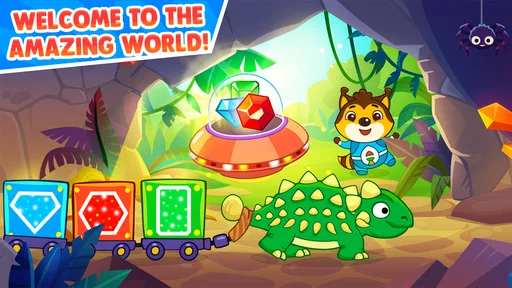
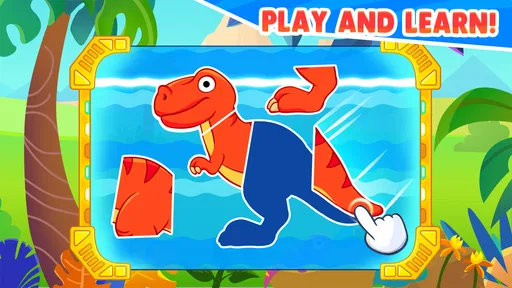
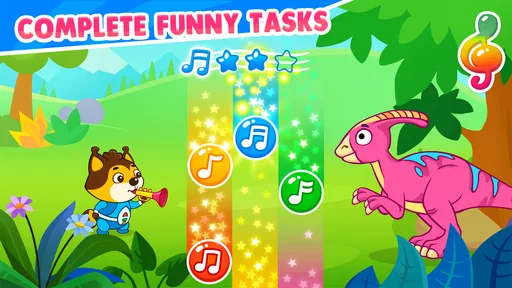
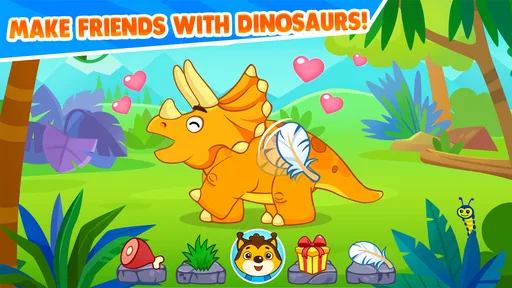
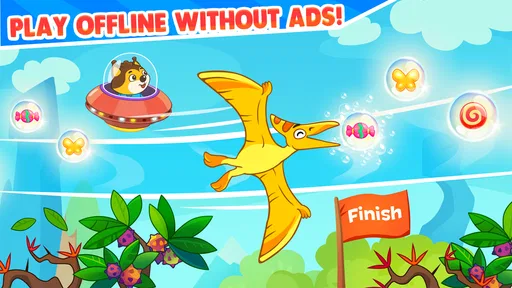
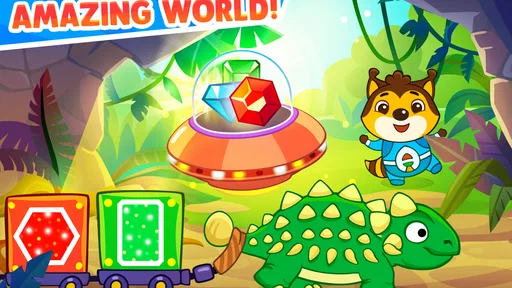
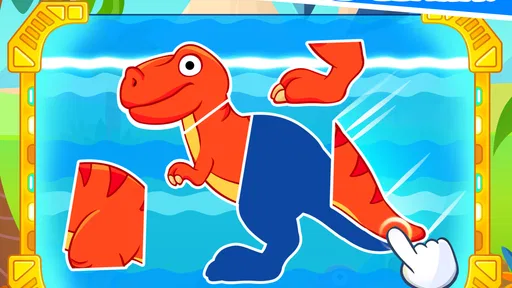
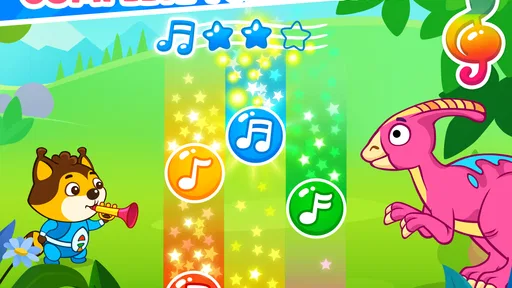
 Analysis by AppCompare
I judge a game for very young children less by how much it promises to teach and more by what a child can actually do with it without turning playtime into a lesson. Dinosaur games for toddlers has an inviting idea at its core: give small children a friendly way to meet prehistoric creatures through play. In my view, that dinosaur theme is the strongest reason to give it a try, especially for a child who already points at dinosaur books or toys and wants to know what each creature is called.
This is an educational game from Amaya Kids - learning games for 3-5 years old, aimed at children from two to five. It is free to start, rated for Everyone, and has reached over a million installs, with an average rating of 3.9 from around ten thousand ratings. Those figures suggest a familiar, widely tried option rather than a niche experiment, but they do not tell me whether it will suit every child. The useful question is whether its simple dinosaur-centered play fits the way your toddler likes to explore.
A small, low-pressure first step
My first impression is that this is best approached as a short activity to share, not as a substitute for a book, a toy box, or time spent moving around. The premise is easy for a young child to understand: dinosaurs are the focus, and the play is designed for early learners. That narrow theme can help a toddler settle in quickly, since there is no need to explain a complicated story or a larger fictional world before the fun can begin.
The game is free, while in-app purchases range from $1.99 to $14.99 per item. I would check the available purchase choices with an adult before handing over a device, particularly if a child is used to tapping around independently. That is a practical part of deciding whether it belongs in your family’s routine: the free entry point is useful, but it is sensible to set expectations about purchases before play starts.
The Magic of Dinosaurs
First off, let's talk about why dinosaurs are such a hit with the little ones. There's something about these gigantic creatures from the past that captures the imagination of toddlers. Maybe it's their size, their mysterious extinction, or just the fun names like "Tyrannosaurus Rex." Whatever it is, dinosaur games are a perfect way to blend fun with a pinch of education.
Features That Make You Go "Wow!"
One feature that stands out in dinosaur games for toddlers is the variety of interactive elements. You'll find games that let kids feed dinosaurs, dig up fossils, or even create their own dino world. Each interaction is designed to be intuitive, allowing the kids to play without much guidance.
The graphics are usually bright and colorful, perfect for keeping a toddler's attention. Some apps include catchy tunes and sound effects that make the experience more immersive. A roar here, a stomp there, and suddenly, your living room is a prehistoric jungle!
Worth Reading Before You Choose

EA SPORTS FC Mobile 26 Is a Bigger Football Game, but It Takes Time

Flipboard Shows What News Apps Must Do Beyond the Feed

Switching to Android Auto Means Rethinking Your Driving Routine

Google Calendar Makes a Crowded Week Easier to Manage

Ludo King Makes the Most of the Minutes Between Plans

Baby Panda World Brings Quick Play to Modern Phones, but Its Game Library Feels Busy
How its prehistoric mood works
What gives this particular theme its appeal is the contrast between grand creatures and very small tasks. A dinosaur can feel enormous in a child’s imagination, but an early-learning game needs interactions that are understandable at a glance. When the visual world keeps the focus on recognizable creatures rather than a complicated setting, a child can spend attention on the activity instead of trying to follow a plot.
That balance matters more than elaborate scenery for a toddler. A busy screen may look exciting at first, yet too much visual noise can make it harder to notice what an activity is asking. I would watch how your child responds in the first few minutes: do they look at the dinosaur and then try the activity, or do they keep tapping randomly because every part of the screen seems equally important? Their reaction is a better guide than the theme alone.
Sound and pace for little ears
Dinosaur games often use roars, footsteps, and cheerful music to make creatures feel present. Those sounds can turn a quiet moment into lively play, but children differ in how much stimulation they enjoy. If your toddler becomes restless when an app is loud or busy, keep the first session short and stay nearby so you can notice whether the sound helps them focus or pulls their attention away from the task.
I also like to treat sound as a cue for conversation rather than background noise. When a dinosaur makes a sound, you can pause and ask your child what they think it is doing, or invite them to name the creature they recognize. That small exchange makes the device feel less like a babysitter and gives you a chance to connect the on-screen moment with a toy, picture book, or pretend game afterward.
Learning in Disguise
Here's where it gets interesting. While your toddler is busy playing, they're also learning. Many dinosaur games incorporate educational content seamlessly. From basic math and vocabulary to spatial awareness and problem-solving skills, there's a lot happening under the hood.
For instance, some games require the child to match different dinosaur shapes, promoting cognitive skills. Others might include simple puzzles that help with hand-eye coordination. And let's not forget the fun facts sprinkled throughout the gameplay, ensuring your little one knows their Brontosaurus from their Triceratops!
Keeping play useful without making it a test
For this age group, I would not measure success by whether a child remembers a dinosaur name after one sitting. A more realistic sign of useful play is whether they begin to notice shapes, follow a simple prompt, or talk about what they see. If they repeat a sound or point out a familiar creature later, that is a nice bridge between screen time and everyday curiosity, not proof that an app alone has taught a complete lesson.
A practical routine is to let the child explore briefly, then ask them to tell you what they liked or choose a dinosaur from a picture book or toy. This gives the activity a natural stopping point and helps you see which parts hold their attention. If they are more interested in tapping than looking, sit together and model one interaction rather than taking over the device. The point is to make the next move understandable, then give them room to try.
Who is likely to enjoy it?
I can see this being a good fit for a dinosaur-mad toddler who enjoys simple screen activities with an adult nearby. It may also suit a caregiver looking for a compact activity during a quiet stretch at home, or for a short wait when bringing physical toys is awkward. The theme gives adults an easy way into the play: you can name a creature, compare its size with a toy, or make up a little story without needing special knowledge.
On the other hand, I would look elsewhere if your child wants open-ended drawing, a broader range of topics, or a game built around a clear progression of challenges. A child who is easily overwhelmed by animated screens may do better with a board book or a simple dinosaur figure they can handle at their own pace. And if your goal is a structured lesson in numbers or science, a focused learning app or an adult-led activity may be a better match than choosing a game mainly for its dinosaur appeal.
What a real session might look like
Imagine a rainy afternoon when your child has finished a snack but is not ready to settle with a story. I would offer a short turn with the game, stay within earshot, and let the child choose where to direct attention rather than treating it as a timed lesson. If a dinosaur catches their eye, I might ask whether it looks big or small, then leave space for them to answer—or simply enjoy the picture if they are not in a talking mood.
When the child starts to lose interest, that is a reasonable moment to stop rather than trying to coax one more activity out of the session. You can carry the theme into offline play by asking them to find a dinosaur toy or draw a creature together. This approach is useful because it keeps the app as one small part of play, not the only activity available when a child needs something to do.
User Experience
As a parent, you want an app that's not only fun for your child but also easy for you to navigate. Most dinosaur games for toddlers are designed with a straightforward interface. The menus are simple, and the instructions are crystal clear. You can usually set up the game in a minute or two, leaving your child to explore and enjoy.
Another thing I appreciate is the parental controls available in many of these apps. You can set limits on playtime or adjust difficulty levels, making it a customized experience tailored to your child's needs.
Choosing it over familiar alternatives
Compared with a dinosaur picture book, a game offers a child something to tap and respond to, which may hold the attention of a toddler who wants an active turn. A toy dinosaur, by contrast, invites movement and pretend play without a screen. I would not call one choice universally better: the app is handy when you want a contained digital activity, while a book or toy can be the stronger option when you want to slow things down or encourage hands-on storytelling.
Compared with broad preschool games that move between unrelated subjects, a dinosaur-focused game has a clearer identity and may be easier to offer to a child with a strong interest in these animals. The trade-off is that a narrow theme will not satisfy every mood. If your child is asking for variety or you want a wider set of learning topics in one place, a general early-learning app may serve that purpose better.
What to check before handing over the device
The game is listed as version 1.20.0 and needs Android 6.0 or later. I would check that the device meets that requirement before planning to use it on a trip or during a waiting-room visit, rather than discovering a compatibility problem when the child is already expecting to play. Because the experience is aimed at very young children, I would also open it yourself first, see how the opening screens work, and decide what boundaries you want around purchases and device use.
That quick adult preview is useful for another reason: it lets you decide whether the pace and presentation feel right for your particular child. One toddler may be content to explore quietly, while another may need a grown-up to guide the first few interactions. Staying close at the beginning is not a sign that the game is difficult; it is simply a sensible way to learn how your child handles this specific kind of screen play.
Why Choose Dinosaur Games for Toddlers?
In a world filled with endless app choices, why should you go for dinosaur games? Well, apart from the obvious fun factor, these apps offer a unique blend of entertainment and education. They're a great way to introduce your child to technology while keeping them engaged in a meaningful way.
Plus, the themes of exploration and adventure are perfect for sparking curiosity. Who knows? Your toddler's love for dinosaurs might just be the first step towards a lifelong passion for science and history!
So there you have it, a peek into the exciting world of dinosaur games for toddlers. Whether it's the interactive play, the sneaky educational elements, or just the joy of seeing a T-Rex come to life on screen, these apps are a fantastic choice for your little explorer. Time to let your toddler embark on their own Jurassic adventure!
My verdict on its atmosphere
What I like most is the way dinosaurs give early play a strong, easy-to-grasp identity. The game is free to try, made for young children, and carries an Everyone age rating; its 3.9 average from roughly ten thousand ratings gives a useful snapshot of how widely people have tried it, not a guarantee that every toddler will click with it. For me, the best results come when an adult treats it as a shared prompt for curiosity rather than expecting a screen to do all the teaching.
I would recommend giving it a chance if your child is drawn to dinosaurs and you want a simple digital activity to explore together. I would skip it if you need a fully hands-off activity, a broad curriculum, or a replacement for active play. The right choice depends on the child in front of you: keep the session short, notice which moments genuinely engage them, and let a dinosaur game be one enjoyable option among books, toys, and conversation.
Pros
- Engaging animations keep toddlers entertained.
- Simple controls are easy for little hands.
- Educational content promotes learning.
- Colorful graphics capture kids' attention.
- Safe environment with no ads or purchases.
Cons
- Limited game variety may bore quickly.
- Requires internet for certain features.
- Graphics may be too simplistic for some.
- Lack of parental control settings.
- Audio can be repetitive and annoying.
FAQs for Dinosaur games for toddlers
Is Dinosaur games for toddlers suitable for all ages?
Dinosaur games for toddlers is specifically designed for young children, typically ages 2 to 5. The app features simple controls, colorful graphics, and engaging activities that are easy for toddlers to understand and enjoy. It’s important to monitor screen time and ensure the content aligns with your child’s developmental stage.
What educational benefits does the app offer?
The app provides several educational benefits, including improving hand-eye coordination, enhancing memory skills, and fostering creativity through interactive activities. It often includes puzzles, matching games, and problem-solving tasks that are designed to develop cognitive abilities and motor skills in a playful environment.
Are there in-app purchases or ads in the game?
While Dinosaur games for toddlers may offer a free version, it often includes in-app purchases for additional features or content. Some versions might have ads, but many apps targeted at children offer ad-free experiences through a one-time purchase or subscription to ensure a safe and uninterrupted playtime for kids.
Does the app require an internet connection?
Most Dinosaur games for toddlers are designed to work offline, allowing children to play without an internet connection. This is particularly useful for parents who want to keep their kids entertained during travel or in places where internet access is limited. Always check the app’s requirements in the description before downloading.
How can I ensure my child's safety while using the app?
To ensure your child’s safety, look for apps with parental controls that limit access to certain features, such as in-app purchases or external links. It’s also advisable to play the game together initially to understand its content and ensure it aligns with your educational and safety standards.


